
The Death of Per-Seat Pricing: Designing Usage-Based Models for ROI
July 28, 2026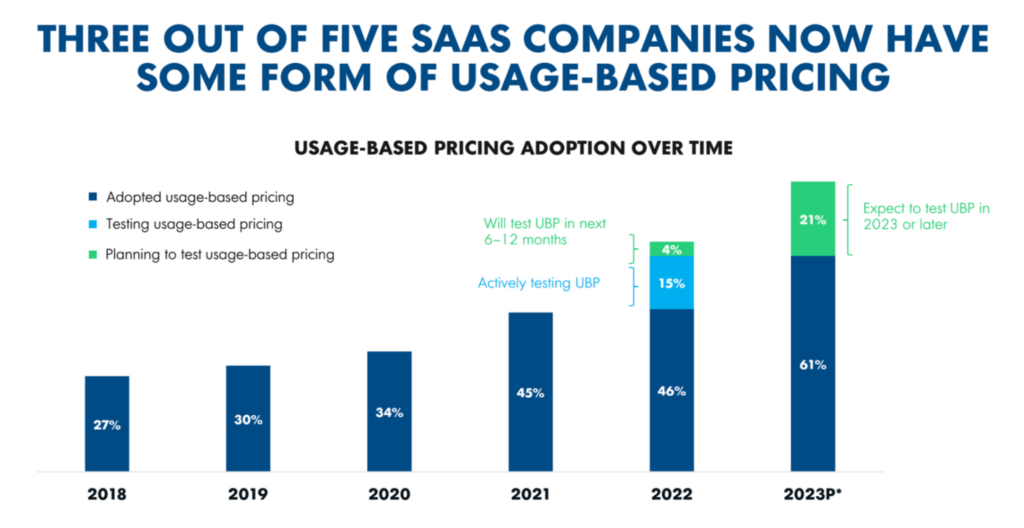


For decades, headcount expansion drove enterprise software growth. Software companies built predictable revenue streams by charging fixed monthly subscription prices per seat. However, the introduction of hyper-automation completely broke this model. Consequently, charging by user seats actively penalizes the vendor for creating operational efficiency.
Founders must therefore re-engineer their monetization strategies to survive. Transitioning to consumption-based models ensures that your pricing scales directly with the actual realized value of the software.
Why the AI Economy is Breaking Traditional Seat Licenses
Traditional seat licenses create severe operational challenges in an automated landscape. Specifically, your software decreases a customer’s headcount needs while increasing your internal compute overhead. This dynamic simultaneously erodes your gross margins while choking off top-line expansion.
As a result, enterprise buyers optimize software budgets by rejecting payments for idle user licenses. This transition is explored in the OpenView Venture Partners Usage-Based Pricing Blueprint. Modern software organizations are rapidly shifting to hybrid plans that blend subscriptions with metered value. For instance, their research indicates that 46% of SaaS companies now utilize hybrid pricing models.
Designing a Hybrid, Frictionless Consumption Architecture
Moving completely to pure pay-as-you-go consumption models introduces severe revenue volatility. Public and private market investors generally dislike unpredictable revenue swings. Therefore, the optimal path for early-stage software providers requires a balanced hybrid pricing architecture. This approach successfully combines a predictable subscription baseline with variable usage layers.
Furthermore, the NxCode SaaS Pricing Strategy Guide 2026 outlines clear steps for the market transition. Currently, data show that 43% of digital companies deploy mixed pricing structures. A resilient monetization system features key guardrails:
- A Predictable Platform Base: A reliable recurring subscription floor covering basic infrastructure overhead.
- Prepaid Usage Credits: Allowing corporate clients to purchase pre-allocated processing tiers to eliminate budget unpredictability.
- Automatic Spend Safeguards: Engineering custom user thresholds and native dashboards to prevent surprise invoices.
In conclusion, aligning pricing with business outcomes captures expansion revenue automatically as your platform delivers a return on investment.
Talk to us about your monetization strategy and let us help you build a system that supports your long-term vision.

View more articles
Browse our collection of articles below and embark on a journey of discovery.