
From DevOps to DevSecOps: Why Security Can’t Wait Until Series A
October 6, 2026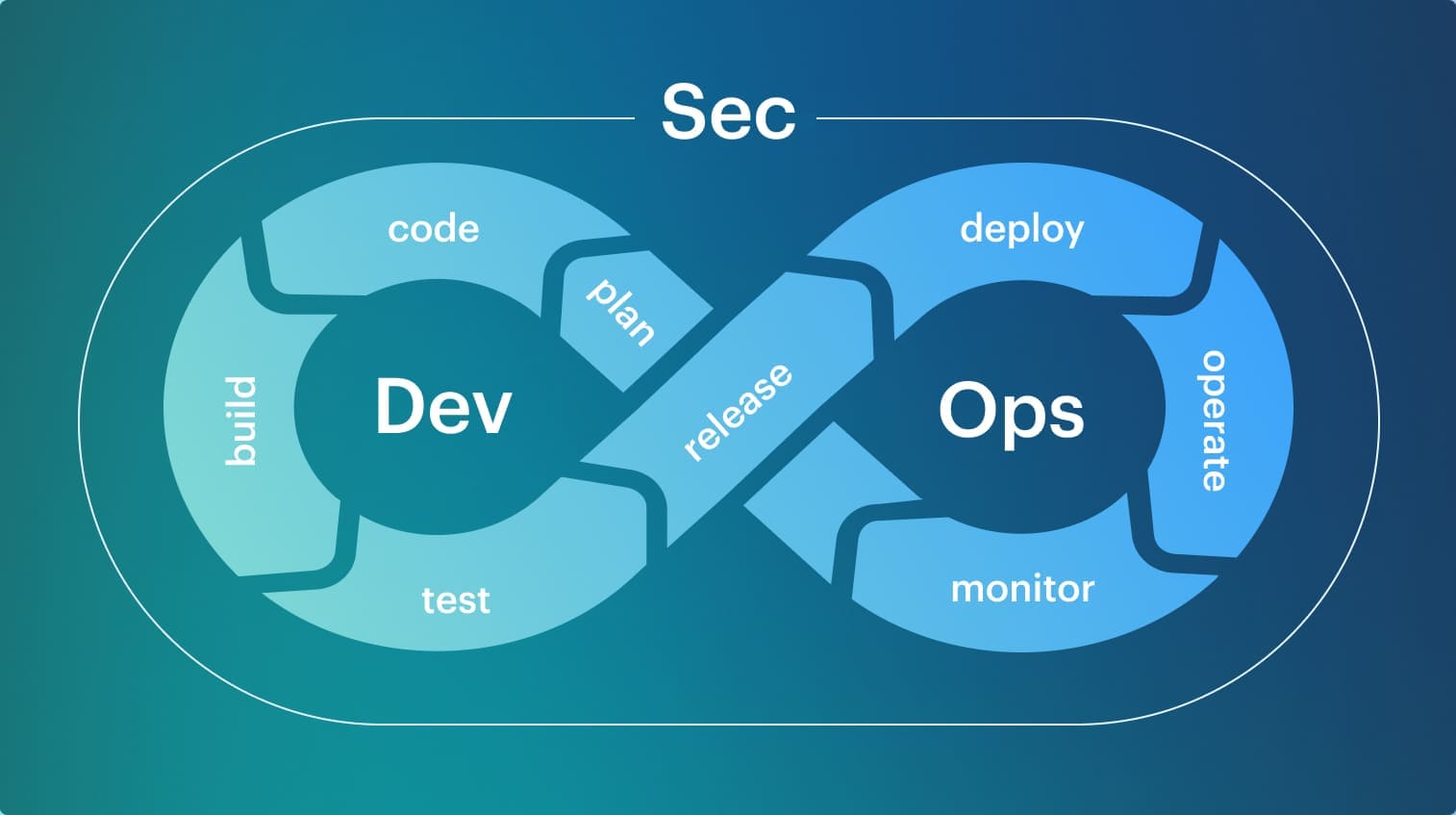


The New Threat Landscape for Early-Stage Products
Historically, early-stage tech founders treated cybersecurity as a post-Series A milestone. The traditional consensus was to build fast, ship software quickly, and defer security audits until the business achieved significant commercial scale. In late 2026, that traditional mindset is no longer viable.
The rapid rise of automated, AI-driven vulnerability scanners and aggressive threat vectors means that unpatched, early-stage software applications are targeted within hours of public deployment. Furthermore, enterprise B2B buyers now demand stringent security compliance evaluations before signing pilot contracts. A single data leak or exposed database credential in an early MVP can destroy customer trust, expose founders to legal liabilities, and disqualify the startup during institutional technical due diligence (TDD).
Embedding Security Directly into the CI/CD Pipeline
Shifting from traditional DevOps to DevSecOps means integrating automated security checks directly into the continuous integration and continuous deployment (CI/CD) software delivery lifecycle. Rather than conducting security evaluations right before launch, security checks run continuously alongside every code commit.
Core components of a startup DevSecOps framework include:
- Static and Dynamic Code Analysis (SAST/DAST): Automated tools scanning source code and running API requests to identify common security flaws like SQL injections, cross-site scripting, and insecure API endpoints before deployment.
- Software Bill of Materials (SBOM) Tracking: Continuously monitoring third-party open-source libraries and dependencies for known vulnerabilities using public databases maintained by security organizations such as the OWASP Foundation.
- Automated Secrets Management: Ensuring database credentials, API keys, and private encryption keys are never hardcoded into repository source files.
Passing Technical Due Diligence (TDD) with Compliance-as-Code
When venture capital firms or potential enterprise buyers perform technical due diligence on a startup, they examine source code quality, system architecture, and regulatory compliance. Early-stage teams that adopt “Compliance-as-Code” can automatically demonstrate compliance with security frameworks such as SOC 2 Type II, ISO 27001, and GDPR.
By utilizing infrastructure-as-code (IaC) templates configured with pre-set security policies, engineering teams can automatically build secure, isolated cloud infrastructure environments on platforms like AWS or Google Cloud. This automated posture proves to investors that the technical team adheres to mature engineering standards.
Implementing DevSecOps Without Sacrificing Speed
Adopting DevSecOps does not mean slowing down product development speed. By automating security guardrails directly within developer IDEs and GitHub pull requests, security testing becomes an invisible, friction-free extension of daily coding. Founders who prioritize security from day one protect their reputation, accelerate enterprise sales cycles, and eliminate the catastrophic costs of emergency security refactoring later in their growth journey.

View more articles
Browse our collection of articles below and embark on a journey of discovery.