
Product-Led Growth (PLG) Metrics Every Seed-Stage Founder Must Track
September 16, 2026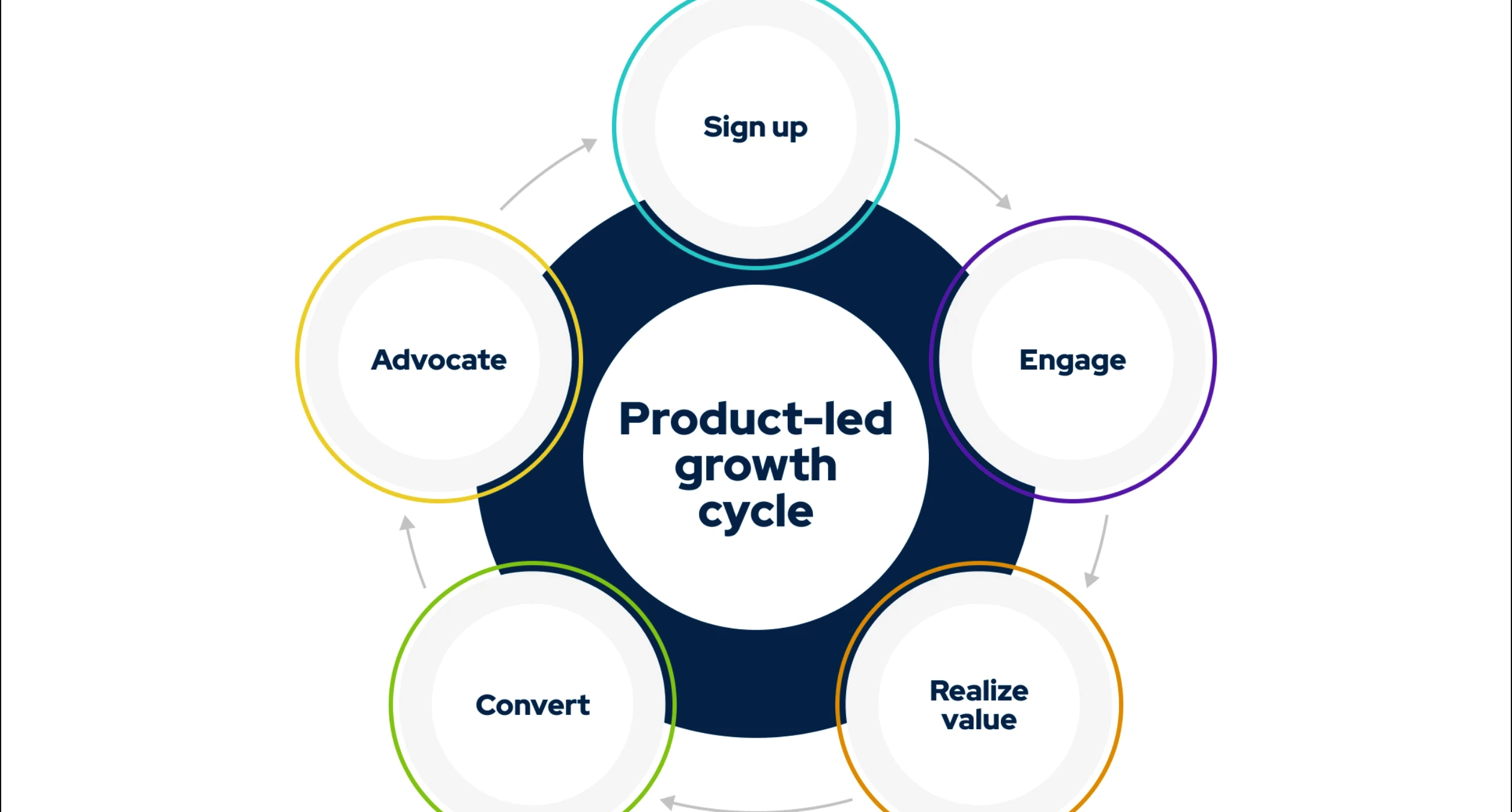


For the past decade, the B2B SaaS playbook was strictly sales-led: gate the product behind a “Book a Demo” form, rely on aggressive SDR outbound, and close long-cycle enterprise contracts.
Today, that model is being disrupted by Product-Led Growth (PLG). Companies like Slack, Notion, and Figma have proved that the most efficient acquisition engine is the product itself. But transitioning to a PLG model means traditional sales metrics (like MQLs and SQLs) are no longer enough. If your product is doing the selling, you need to track how users are actually engaging with it.
Time to Value (TTV): The Ultimate Retention Driver
In a PLG motion, the user’s patience is razor-thin. Time to Value (TTV) measures how long it takes a new user to experience the core benefit—the “Aha!” moment—of your software.
If it takes three days of manual configuration and API tweaking for a user to see value, your freemium model will fail. High-growth PLG startups ruthlessly optimize their onboarding flows to reduce TTV from days to minutes. According to OpenView Venture Partners, organizations that optimize for immediate user value see significantly higher conversion rates from free to paid tiers.
Product-Qualified Leads (PQLs) vs. MQLs
Marketing-Qualified Leads (MQLs) are largely based on arbitrary actions: downloading a whitepaper or attending a webinar. A Product-Qualified Lead (PQL) is entirely different. A PQL is a user who has signed up, experienced the product’s value, and hit a specific usage trigger (e.g., inviting three team members or hitting a data limit).
PQLs close at astronomically higher rates than MQLs because the user has already validated the software in their own environment. If you aren’t defining and tracking PQLs, you are flying blind.
Net Revenue Retention (NRR)
Acquisition is only half the battle; retention is where valuations are built. Net Revenue Retention (NRR) calculates the total revenue retained from existing customers over a given period, factoring in upgrades, downgrades, and churn.
An NRR over 100% means your product is so sticky that even if you acquired zero new customers, your revenue would still grow through upsells and expansions. Top-tier PLG companies consistently boast NRRs well above 120%.
Aligning Product and Growth with IGF
Transitioning to a product-led model requires tight alignment between engineering, design, and growth. At IGF, we guide visionary founders through the complex process of defining their MVP targets and instrumenting the right analytics from day one. We don’t just help you build a product; we help you build a product that sells itself.

View more articles
Browse our collection of articles below and embark on a journey of discovery.